Experts tell Alabama lawmakers to set red lines to protect adolescents from AI, chatbots
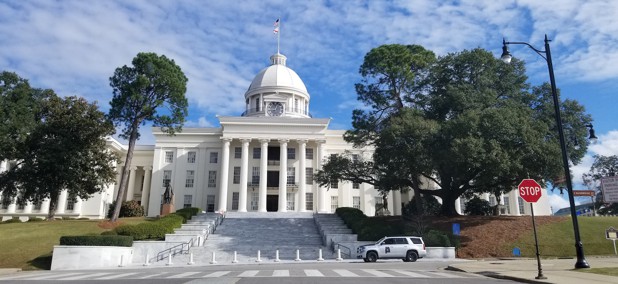
A state commission hopes to address adolescent mental health through legislation at the recommendation of industry experts as access to technology, like artificial intelligence, and social media grows for children and teens.
The recommendation by industry experts for Alabama lawmakers to establish guidelines protecting adolescents from the potential negative impacts of artificial intelligence and chatbots highlights the growing concern over the influence of technology on mental health. As access to technology and social media increases among children and teens, lawmakers are being urged to take proactive steps to mitigate potential harm. This development is significant as it underscores the need for regulatory frameworks that balance the benefits of technological advancements with the need to safeguard vulnerable populations, such as adolescents.
The focus on adolescent mental health in the context of technological advancements is particularly relevant given the broader societal trends. The increasing prevalence of social media and AI-powered tools among young people has raised alarms about their potential impact on mental wellbeing, including issues such as increased stress, decreased attention span, and exposure to harmful content. By considering legislation to protect adolescents, Alabama is at the forefront of a national conversation about the responsible development and deployment of technology, especially in areas that directly affect youth.
As Alabama moves forward with potential legislation, it will be important to watch how these efforts are received by the tech industry and how they might influence federal policy. The IRS and related government agencies may also need to consider how such regulations could impact tax policies related to technology companies, particularly those that develop and market AI and social media platforms. Furthermore, the success or failure of these legislative efforts will provide valuable insights into the challenges of regulating technology to protect public health, setting a precedent for other states and potentially the federal government to follow.
Originally reported by route-fifty.com. IRSNews adds analysis for government & civic readers.