Trump’s 2027 pay freeze has unions warning of recruitment, retention problems
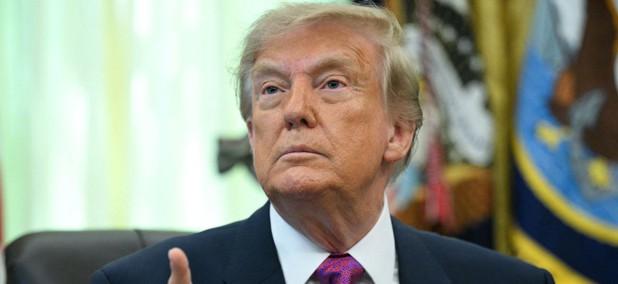
Critics of President Trump’s plan to keep most federal employees’, save for federal law enforcement officers and military service members, pay at 2026 levels say it picks winners and losers.
The Trump administration's plan to freeze federal employee pay in 2027, excluding law enforcement officers and military service members, has sparked concerns from unions about potential recruitment and retention problems. This move is likely to impact the Internal Revenue Service (IRS) and other federal agencies, which may struggle to attract and retain top talent in a competitive job market.
The pay freeze is seen as a contentious issue, with critics arguing that it unfairly targets certain groups of federal employees. The IRS, in particular, has faced challenges in recent years in recruiting and retaining skilled workers, particularly in areas such as cybersecurity and data analytics. A pay freeze could exacerbate these issues, making it harder for the agency to compete with private sector employers.
As the federal budget and appropriations process unfolds, it's worth watching how Congress responds to the Trump administration's proposal. Will lawmakers support or reject the pay freeze, and what implications might this have for the IRS and other federal agencies? Additionally, the impact of the pay freeze on employee morale and productivity will be an important area to monitor, as it could have broader consequences for the delivery of essential government services.
Originally reported by govexec.com. IRSNews adds analysis for government & civic readers.